Positive, Practical Training
Beagle Training & Behavior
Practical, positive and realistic training advice for a happy, well-behaved Beagle.
Understand the Beagle mindset
Build good habits early
Real solutions for real-life challenges
Written by the Beagle-Puppy Editorial Team · Positive, reward-based guidance · 5 min read
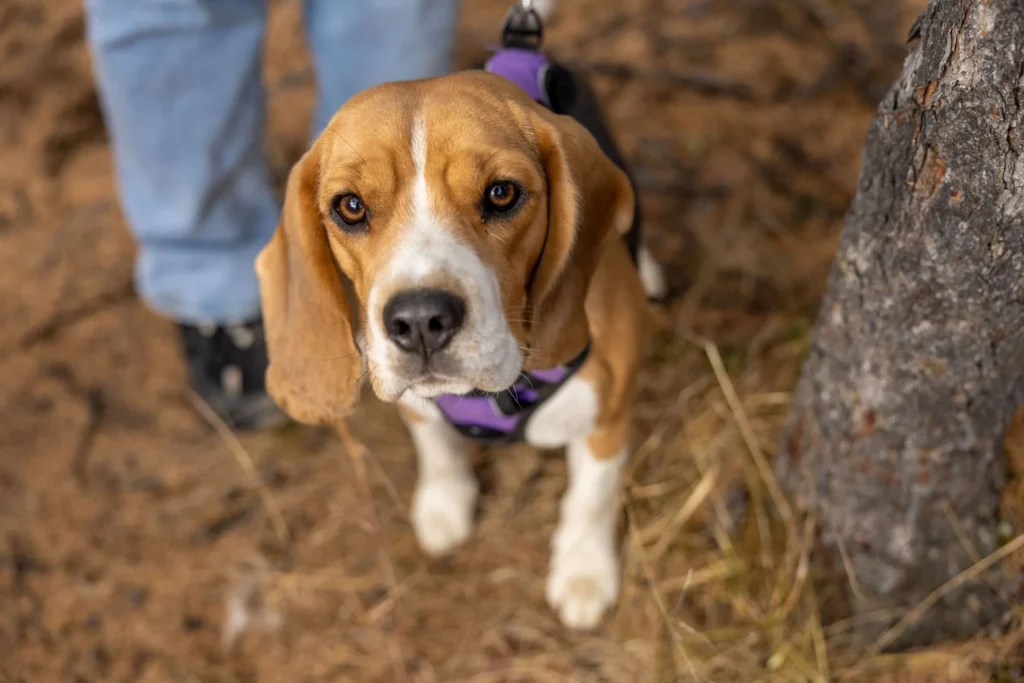
Train with kindness. Enjoy the journey.
A Smarter Approach
Understand Your Beagle. Train for Real Life.
Beagles are intelligent, independent and scent-driven — which makes them wonderful companions, but also a unique training challenge. Successful training works with those natural instincts, not against them.
This section gives you clear, step-by-step guidance using positive, reward-based methods. Whether you are teaching basic commands, dealing with barking, or working on recall, you will find practical advice you can use in everyday life.
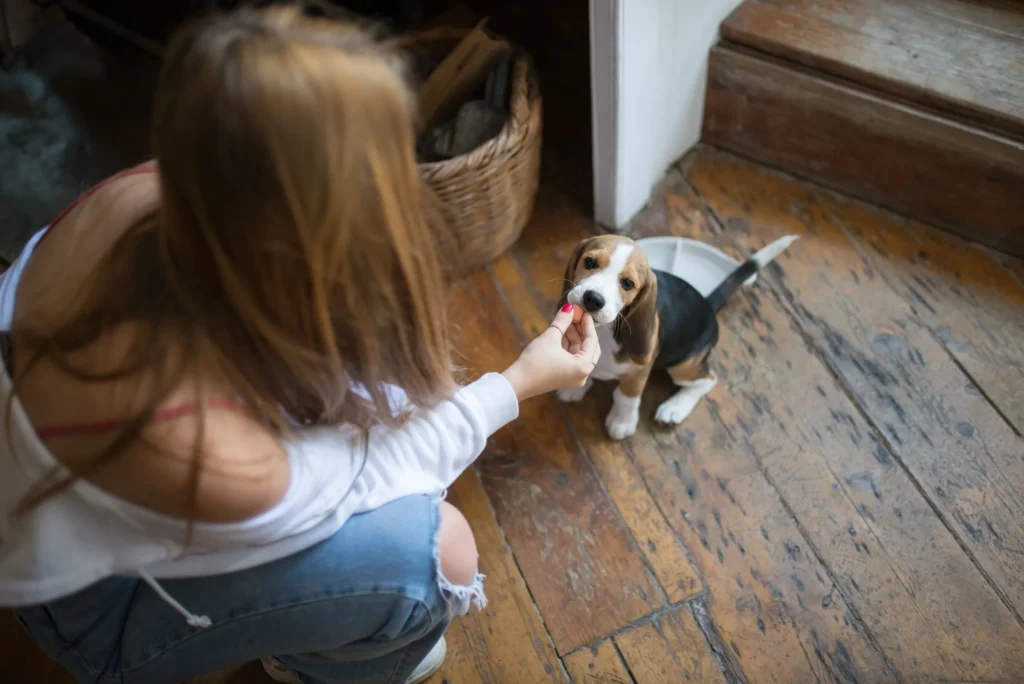
Small rewards, clear cues and consistency build trust.
Where to Begin
Common Training Goals
Quick paths to the topics Beagle owners ask about most.
Basic Commands
Sit, stay, come and the everyday cues every Beagle should know.
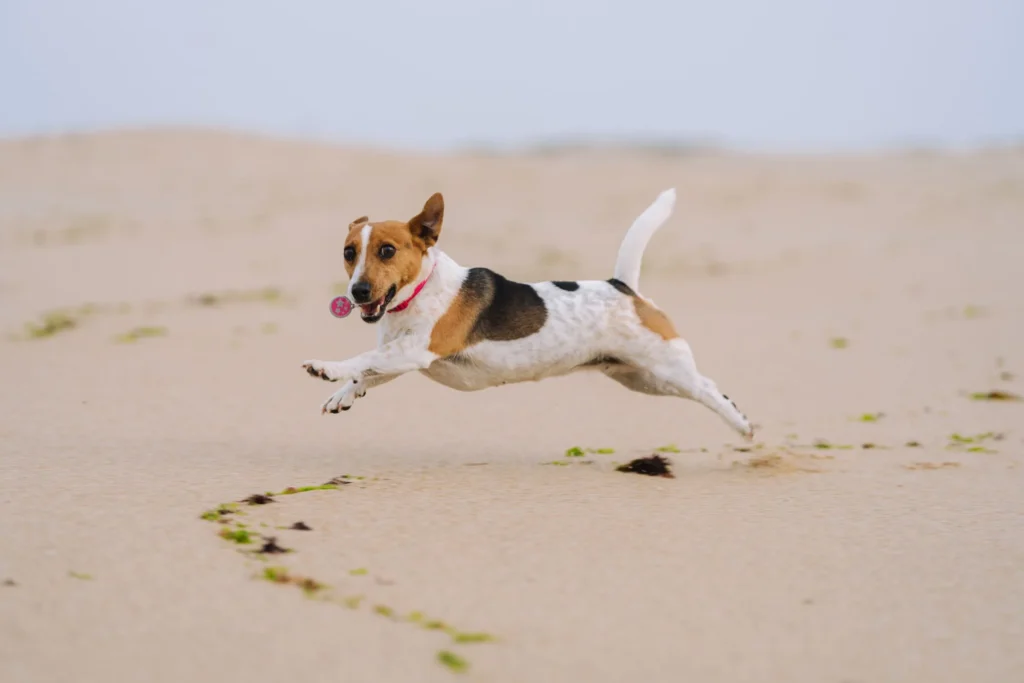
Recall Training
Build a reliable return, even when interesting scents compete.

Barking
Understand why Beagles vocalize and how to manage the noise.

Leash Training
Turn scent-led pulling into calmer, more enjoyable walks.
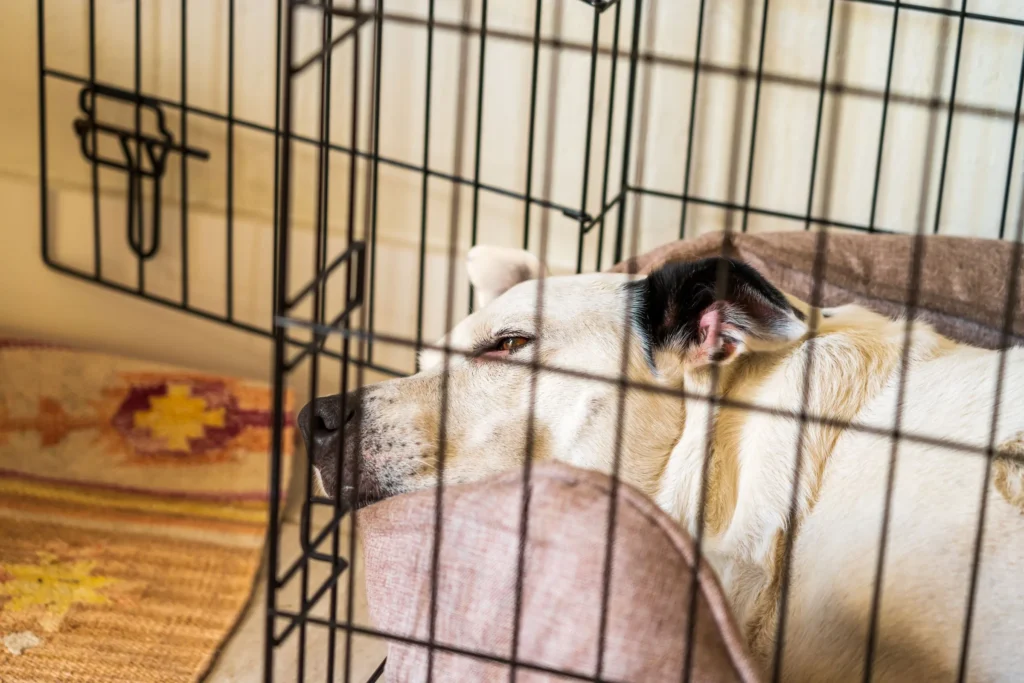
Crate Training
Create a calm, safe space through a gradual introduction.
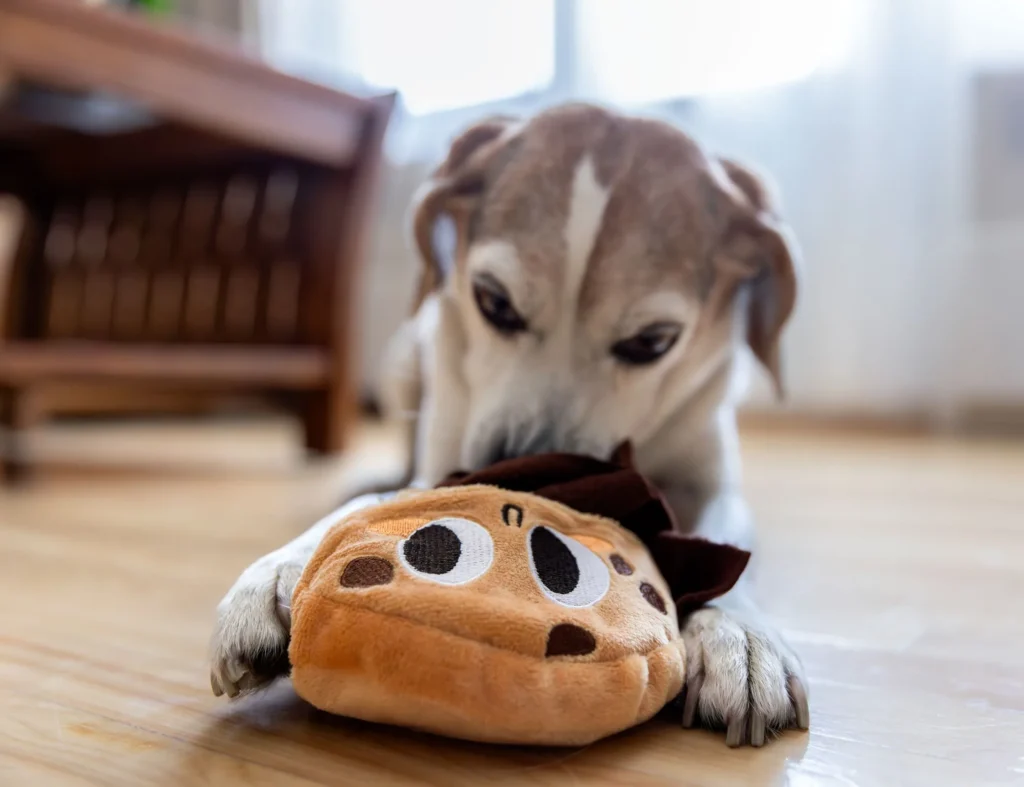
Behavior Issues
Practical help for biting, chewing, jumping and time alone.
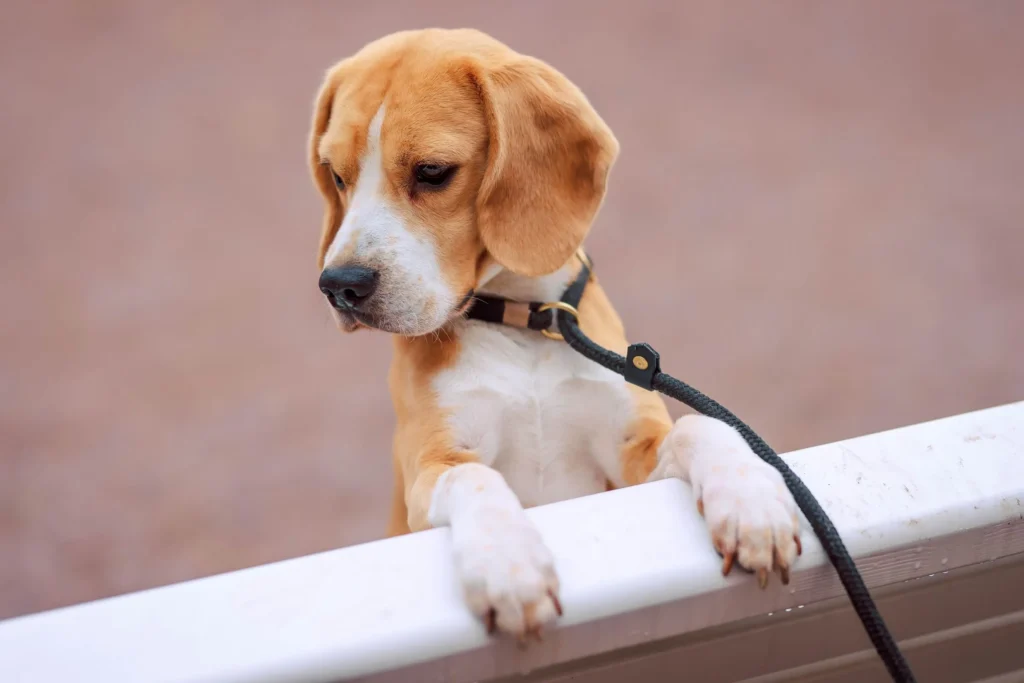
Know the Dog in Front of You
The Beagle Mindset
Beagles are scent hounds. Their extraordinary sense of smell is a gift — but it also means they can be easily distracted. A Beagle investigating a scent is not being deliberately difficult; they are doing the job generations of breeding prepared them to do.
Understanding how their brain works is the key to useful training. Keep rewards worthwhile, practice around distractions gradually and give sniffing a place in the routine. Their friendly, curious and independent temperament is part of what makes them such determined trackers.
Step-by-Step Help
Featured Training Guides
In-depth guidance for the most common training challenges.
How to Train a Beagle Puppy
A complete, positive step-by-step guide for beginners.
Read guide
Stop Excessive Barking
Find the trigger, reward calm moments and build better habits.
Read guide
Recall Training for Beagles
Get their attention back, even when the nose takes over.
Read guide
Leash Training Made Easy
A realistic route from pulling to relaxed walks together.
Read guide
Everyday Practice
Training Topics, Explained
The practical principles to remember while you work through each skill.
01
Basic Commands
Start with one command at a time — sit, stay, come — using short, positive sessions and consistent cues. Reward the behavior you want immediately, so your Beagle connects the cue with the reward.
Trainer’s note
Train before a meal, when a small food reward has the most value.
02
Recall
A Beagle’s nose can override their hearing, so recall takes extra patience. Practice in a low-distraction space first, use a long line before going leash-free, and make coming back the best part of the walk — treats, praise and play.
Trainer’s note
Never punish a Beagle for returning, however long it took.
03
Barking
Beagles are a vocal breed and will often sound off at new people or unfamiliar noises. Work out what triggers the barking, create distance where needed, and reward quiet moments rather than only reacting to the noise itself.
Trainer’s note
Manage the cause first. A tired, occupied Beagle has less reason to bark.
04
Leash Training
A Beagle following a scent will pull. Stop moving when the leash goes tight, then reward walking beside you rather than ahead of you. Consistency matters more than any single walk.
Trainer’s note
Allow planned sniff breaks so attention is not an all-or-nothing battle.
05
Crate Training
Introduce the crate gradually as a calm, safe place — never as punishment. Feed meals nearby, build duration slowly and let your dog leave freely during early sessions.
Trainer’s note
The crate should feel predictable and restful, not isolating.
06
Potty Training
Consistency and frequent trips outside are the fastest route to house-training success. Take puppies out after waking, eating and play, then reward immediately in the right place.
Trainer’s note
Clean accidents calmly and thoroughly. Punishment only creates confusion.
07
Behavior Issues
Biting, chewing, jumping and separation distress are common and usually manageable with consistent boundaries, enough rest and exercise, and redirection rather than punishment.
Trainer’s note
A sudden behavior change can have a medical cause. Ask your veterinarian.
Start with one skill, not seven
Choose the behavior that would make daily life easier now. Keep sessions short, note small wins and add the next skill once the first is becoming reliable.
About this page
This page is educational and reflects positive, reward-based training methods. It was researched and written by the Beagle-Puppy.com Editorial Team using American Kennel Club and breed-club sources, listed here.
Sources
- American Kennel Club — Beagle Puppy Training Timeline (with National Beagle Club approved mentor Lori Norman)
- National Beagle Club of America — About the Breed (temperament and breed characteristics)
- American Kennel Club — Positive Reinforcement Training (reward-based training principles)